

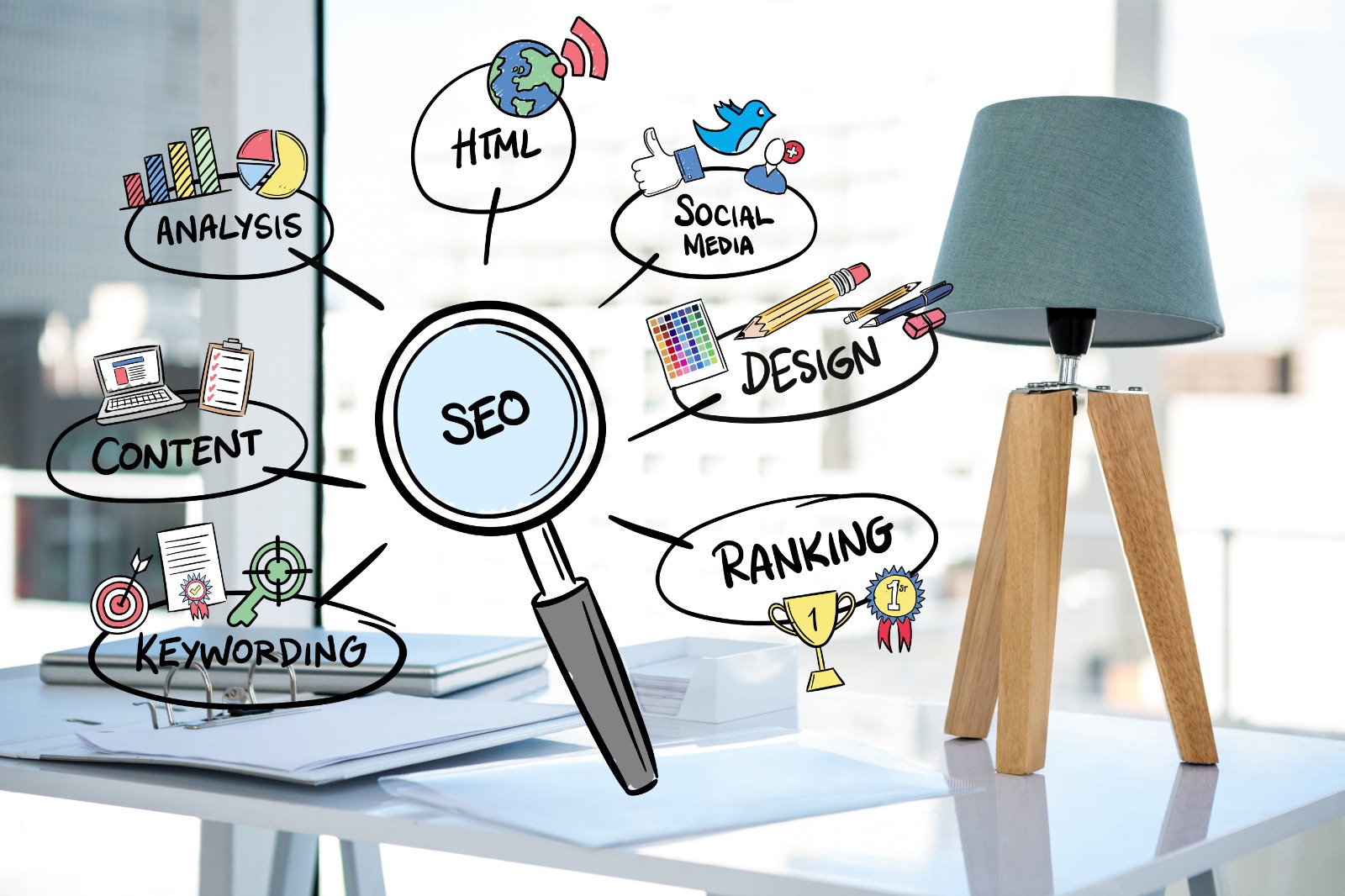
As the market for healthcare services and products continues to expand, so does the need for search engine optimisation (SEO). Without a strong healthcare SEO strategy, it becomes hard, if not impossible, to maintain visibility in the highly competitive online space, making digital marketing for healthcare essential as search engines like Google remain the primary source of information for the vast majority of people. In addition to people looking for health information and services, healthcare professionals (HCPs) have also come to rely increasingly on online resources for research updates, advisories, medical information, and the exchange of ideas. With AI-powered search features gaining momentum, it becomes even more important for hospitals, clinics, pharma companies, and health tech innovators to invest in a specialised medical digital marketing agency that provides compliant, authoritative, and structured strategies for medical SEO.
With a healthcare SEO strategy that complies scrupulously with ethical and regulatory standards while using creative medical digital marketing tactics, you can see sustainable growth in organic traffic. This, of course, is the key to long-term success, generating more conversions, patient engagement, and visibility, ultimately increasing your revenue.
What is Healthcare SEO?
When it comes to SEO for healthcare, it’s about more than optimisation of your website because there’s so much at stake. Healthcare SEO is therefore aimed at improving the ranking of your business on search engines while making sure that it brings the right audience to your website at the right time. This requires the utilisation of relevant healthcare-related keywords, publication of high-quality medical content, link building, technical SEO, and strict adherence to search engine rules. Of course, achieving all of these SEO objectives becomes a lot more tricky when you’re dealing with healthcare content.
How is Healthcare SEO Different from Other Markets?
Healthcare SEO is distinctly different from other markets because of the stringent rules and regulations aimed at ensuring public safety and protecting patient data. These include a complex web of search engine regulations, as well as legal frameworks within which we must operate. For example, depending on your location, you would need to consider regulations like the Health Insurance Portability and Accountability Act (HIPAA), General Data Protection Regulation (GDPR), Personal Information Protection and Electronic Documents Act (PIPEDA), and Digital Personal Data Protection Act (DPDPA), among others.
All of these considerations make healthcare SEO uniquely challenging, calling for highly specialised strategies that combine SEO best practices with regulatory expertise. However, an effective healthcare SEO strategy must go beyond fulfilling regulatory obligations, also offering value to audiences, whether patients or healthcare professionals. This is why the best healthcare SEO marketing agencies also include qualified medical professionals who can review or create content to ensure accuracy, which is essential to build trust and also helps improve your ranking.
The Essential Healthcare SEO Checklist
Improve Your Google Business Profile (GBP)
- Simply setting up a Google Business Profile doesn’t cut it anymore. In addition to making sure that all of the information is up to date and easily accessible, including the clinic name, business hours, services, contact info, and address, you also need to optimise your profile so that it’s visible to the right audience. Since your GBP is how most people discover your business and form their first opinions, it’s a key element of any healthcare SEO strategy. Keeping this in mind, make sure to include genuine but favourable photographs of your facility, while encouraging patients and colleagues to post ratings and reviews.
At the same time, ensure strict compliance with applicable data-protection laws such as HIPAA, GDPR, or local regulations, and follow best practices to secure any patient data that you collect.
Create Local Business Listings
- While many overlook free online healthcare directories like WebMD, ZocDoc, Practo, Healthgrades, Yelp, and Foursquare, they should be included in any healthcare SEO marketing strategy. Whether they are healthcare or general business directories, all of them help to increase online visibility as your website’s domain authority grows.
Identify Your Target Audience
- When dealing with SEO for the healthcare industry, audience segmentation and targeting take on even greater importance. High visibility with the wrong audience will not lead to higher conversions, as you need to reach patients or HCPs who may need products or services that you offer. This is why it’s critical to do research into demographics, regional preferences, disease prevalence, and healthcare-seeking behaviour before you implement any online medical marketing plan.
Use Long-tail Keywords
- Although keyword stuffing is a bad practice that was rightfully penalised, keywords remain important when used as one part of an ethical and compliant SEO strategy. Intent-based keyword research that focuses on long-tail SEO keywords can help make your pages more visible to audiences who actually find your content useful and relevant, further boosting your site ranking and visibility. This should also include location-specific long-tail keywords so that your business is most visible to potential patients, doctors, or hospitals in your vicinity.
Create Localised Content
- Creating localised content involves more than the use of location-specific keywords. It’s about personalising your content and communication strategy so that the tone and imagery reflect local cultural sensitivities. This helps foster a deeper connection and enhances trust in communities, boosting your reputation and search visibility.
Make Your Content More Helpful with E-E-A-T
- Publishing authoritative information backed by experts and research is essential for compliance with Google’s Experience, Expertise, Authoritativeness, and Trustworthiness (E-E-A-T) guidelines that regulate healthcare SEO. Publishing such content regularly doesn’t just improve search ranking and visibility, but it also builds trust and establishes your brand’s expertise in the area, making people more likely to trust you as a service provider or business partner. In healthcare SEO, high-quality content can include service pages, blogs, guides, and FAQs that are backed by credentials, citations, and quotes from experts.
Improve Your Website’s Page Experience
- More than half of all traffic to websites now comes from mobile devices across the world, making website optimisation across devices essential for the success of any healthcare SEO marketing strategy. Patients and caregivers frequently use their mobile devices to locate healthcare services and access information, while mobile device use has also increased dramatically among healthcare professionals, not just for communication, but also for accessing medical and research information. A seamless website page experience is now essential for any online medical marketing efforts to ensure user retention and to reduce website bounce rates.
Try to Build High Quality Backlinks
- Backlinking plays a critical role in SEO, improving organic ranking, building brand awareness, and increasing traffic. However, it’s important that backlinks are obtained from websites with a high reputation and relevance, such as medical directories, medical journals, health authorities, and reputable bloggers, so that the effort is not counterproductive.
Monitor Performance and Refine Your Approach
- Your healthcare SEO strategy needs to be responsive and adaptable, developing over time. Successful SEO campaigns are fine-tuned based on regular assessments of key performance indicators (KPIs) and metrics, including impressions, keyword rankings, organic sessions, session durations, page speed, return visits, form fills, flagged pages, bounce rates, and more via tools such as Google Analytics and Search Console. These indicators will help you to better understand critical SEO issues that need to be fixed and opportunities that you can tap into.
Stay On Top of Algorithm Changes and AI Updates
- For your healthcare SEO strategy to continue delivering results, you need to stay up to date with frequent algorithmic changes from Google and AI updates that favour medically accurate, user-centric content that includes expert credentials and serves patient needs, improving the overall user experience. Paying attention to these evolving systems and optimising your content for voice and visual search will ensure that your pages show up in searches by voice assistants, Google Lens, Google Discover, image search, and featured snippets.
Why You Need Specialised Agencies to Develop a Successful Healthcare SEO Strategy
Generic SEO marketing agencies are usually ill-equipped to manage the unique challenges and complexities of healthcare SEO marketing because of stringent standards such as YMYL (Your Money or Your Life) and E-E-A-T (Experience, Expertise, Authoritativeness, Trustworthiness), which apply to medical information and services. This makes specialised professionals with domain expertise indispensable. This degree of skill, specialisation, and knowledge can only be found in a medical digital marketing agency that comprises specialists from diverse backgrounds to ensure clinical accuracy, regulatory compliance, UX, localisation and technical excellence.
Sources:
- https://www.indegene.com/what-we-think/reports/digitally-savvy-hcp
- https://gs.statcounter.com/platform-market-share/desktop-mobile-tablet
- https://mhealth.jmir.org/2020/11/e18774
- https://pmc.ncbi.nlm.nih.gov/articles/PMC10131676/
- https://www.mckinsey.com/industries/healthcare/our-insights/health-media-how-consumer-content-informs-the-future-of-healthcare
- https://e-hir.org/journal/view.php?doi=10.4258/hir.2024.30.3.172